The Great Wall, Forbidden City, Beijing hot pot, Peking duck, and how to get around without Google
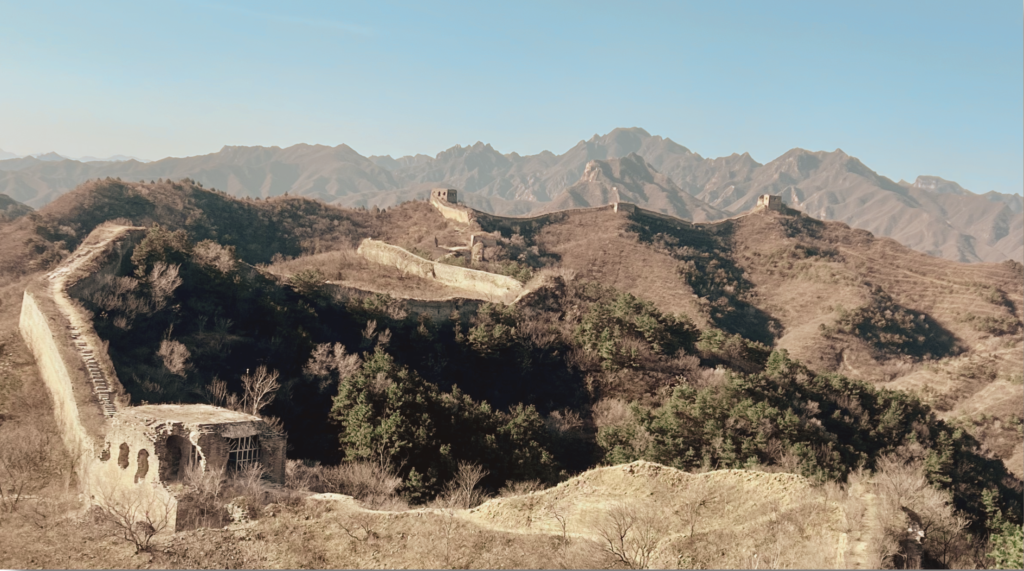
Beijing at a Glance
| Quick facts | Details |
| Ideal length | 5 days is a comfortable first visit: three big sights, one day to explore the Great Wall, and one day to wander. |
| Best seasons | Mid-April to May and mid-September to October (details below). |
| Getting around | Subway for almost everything; Didi (ride-hailing) for late nights and the outskirts. |
| Paying | Alipay or WeChat Pay linked to a foreign card; carry some cash as backup. |
| Language | Mandarin. English is limited outside big hotels and tourist sites; translation apps are essential. |
| Passport | Needed for sights, train tickets, and hotel check-in. Carry your original passport every day and no, a printout will not work. (I was randomly asked by a traffic cop to show my passport) |
When to Go and What to Pack
| Season | What to expect | Pack |
| Spring (Apr–May) | Mild, 10–25°C. Blossoms in the parks. Occasional dust and wind in April. | Light layers, a windbreaker, comfortable walking shoes, a scarf, sunglasses. |
| Summer (Jun–Aug) | Hot and humid, 25–35°C, with heavy rain in July and August. Crowded with school holidays. | Breathable clothes, a compact umbrella or rain jacket, sunscreen, a hat, a refillable bottle. |
| Autumn (Sep–Oct) | Crisp, clear and golden, 10–25°C. The best light for photos. Avoid the National Day Golden Week (1–7 Oct). | Layers, a light jacket, good walking shoes, a daypack. |
| Winter (Nov–Feb) | Dry and freezing, often −10 to 3°C, with biting wind. Smaller crowds and snow on the wall if you’re lucky. | Thermal base layers, a down jacket, gloves, a beanie, wool socks, lip balm and moisturiser. |
My pick is late April to May or late September. Winter has its own magic (I had the Wall almost to myself in December and seeing the snow fall over the Wall has a magic of its own), but your fingers and toes will pay for it, and some hiking sections are slick with ice.
Pack for any season
- Shoes: broken-in walking shoes with grip. You will log 15,000+ steps a day on stone and uneven steps.
- Mask: a few N95/KN95 masks for days when the air quality index is high. Check it on an air quality app each morning.
- Power: China uses 220V with Type A, C and I plugs. A universal adapter and a power bank are a must, since you’ll rely on your phone for translation, directions and to pay.
- Tissues and hand sanitizer: many public toilets don’t supply toilet paper or soap, and squat toilets are common.
- Printed or saved copies: your hotel name and address in Chinese characters, your passport, and your visa or entry documents.
- Medications: bring what you need from home, with the generic names written down.
Before You Go: Entry and Internet
Entry rules for China change often and depend on your passport, so check with the Chinese embassy or consulate in your country, and with your airline before booking. Several nationalities now enjoy visa-free or transit-visa-free entry for short stays, but the list shifts.
Life without Google
China’s firewall blocks GOOGLE (Search, Maps, Gmail, Drive, Translate), YouTube, Instagram, Facebook, WhatsApp, X and many news sites. Plan for this before you land, not after.
- Download everything at home. Apps need to be installed and set up (including logins and payment) before you arrive; some app stores and verification texts can be unreliable inside China.
- Use an international roaming eSIM. Many travel eSIMs route your data through servers outside China, so blocked apps often work without a VPN. This is the simplest option for most travelers. However, SOME (Not All) Chinese telecommunication companies do provide SIMS to foreigners. Best way to check where to get a local sim is to ask your hotel/guesthouse. For those who are staying longer than a week, a local SIM might be more beneficial.
- VPN: Most popular VPN services don’t work in China. They are already blocked. But ask a local which VPN they’re using and would work. This is the BEST way to find a working VPN service.
- Download offline content. Save offline maps, offline translation packs, and your bookings and tickets as screenshots or PDFs.
- Tell people you’ll be MIA for a while. Let family and friends know which messaging app will work and that you may be missing in action for a bit on social media. WeChat does.
Apps to download
| App | What it’s for |
| Alipay | The most traveler-friendly way to pay. Link a foreign Visa or Mastercard to pay at restaurants, shops and for the subway. It also has a built-in Tour Pass and ride-hailing mini apps. |
| Messaging, payments, and the gateway to ticket booking mini programs (including the Forbidden City). Locals will want to add you on it. | |
| Baidu Maps | Reliable maps and walking, transit and cab routes in China. Apple Maps also works acceptably for navigation. |
| Didi | China’s Uber. Has an English interface and works with foreign cards. |
| Trip.com | Book flights, high-speed trains, hotels and attraction tickets in English. |
| Baidu Translate / Offline Google Translate | Download Google Translate’s offline Chinese pack before you leave; online translation may not work inside China. |
The Five-Day Itinerary
Day 1: Hutongs, Lakes and Your First Hot Pot
Settle in and get your bearings in the old lanes, a good way to shake off jet lag on foot.
- Morning: Check in, set up Alipay and your maps, and grab a jianbing (a crispy savoury crepe) from a street cart.
- Afternoon: Walk the hutongs (traditional narrow alleyways) around the Drum Tower and Bell Tower. Climb the Drum Tower for a rooftop view over the grey-tiled courtyards. Wander Nanluoguxiang and the quieter lanes beside it.
- Late afternoon: Stroll around Houhai and Qianhai lakes as the lights come on. Rent a bike if the weather is kind.
- Dinner: Beijing-style hot pot (see Food section below). It’s a perfect welcome meal.
Day 2: Tiananmen Square and the Forbidden City
Start early. This is the big historic day, and the crowds build by 10 am.
- Tiananmen Square: One of the largest public squares in the world, surrounded by the Great Hall of the People, the National Museum of China, and the Mausoleum of Mao Zedong. Entry requires a reservation and your passport, and a security check. Book ahead through the official WeChat mini program.
- Flag-raising ceremony: Held at sunrise daily and watched by large crowds. It needs a separate reservation and an early start, so only commit to it if you’re a morning person.
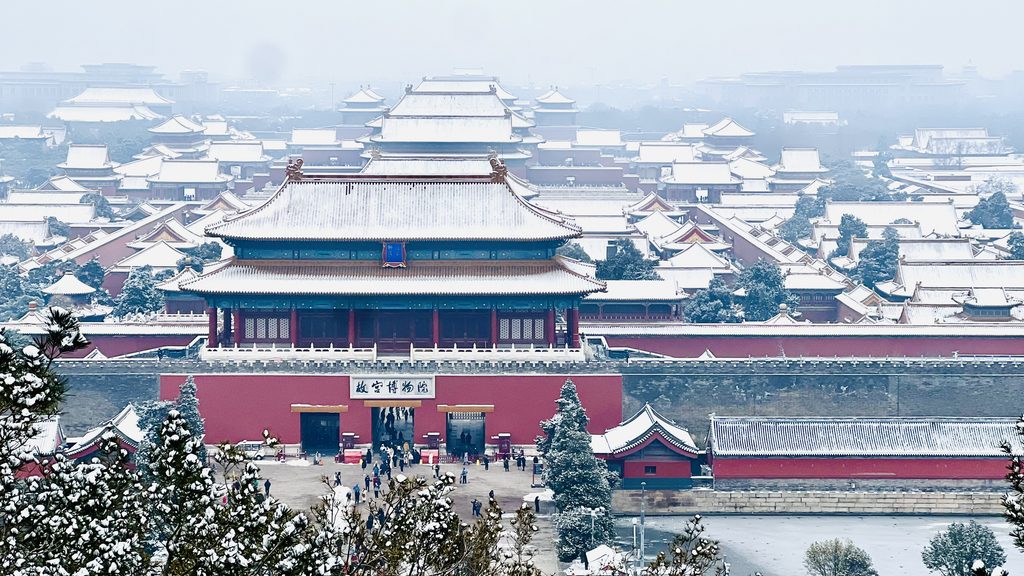
- The Forbidden City (Palace Museum): Enter from the south via Tiananmen Gate and walk the central axis through to the Imperial Garden. Allow at least four hours. Tickets are timed, sell out, and require your passport. They are released on the official channel about a week ahead. It is usually closed on Mondays, so plan your days around that.
- Jingshan Park: Exit through the north gate and climb the hill for sweeping views of the palace rooftops in the late afternoon light.
- Dinner: Peking duck (see Food section).
Day 3: The Great Wall
Dedicate a full day. Where you go changes the whole experience, so choose by the kind of day you want.
| Section | Distance* | Why go |
| Mutianyu | About 1.5 hrs | Beautifully restored, with a cable car and a toboggan ride down. Far less crowded than Badaling. The best choice for most first-timers. |
| Jinshanling to Simatai | About 2.5–3 hrs | Partly restored, partly wild. Dramatic, photogenic watchtowers and a real hike. Great for fit walkers. |
| Gubeikou and Panlongshan | About 2.5 hrs | Where I walked: a long, rugged, largely unrestored stretch with almost no one on it. For experienced hikers only. |
| Badaling | About 1.5 hrs | Easiest to reach by train, and the most crowded. Skip it unless you’re short on time. |
* Approximate travel time from central Beijing; confirm on your maps app.
| A word of honesty from the wall. The Great Wall is 21,196 kilometers long. If you are adventurous, there are so many other parts of the Wall you can explore and have it all to yourself. I personally did such an adventure and had a beautiful moment of shared silence with a stranger. Read that story here: https://deardhuniya.substack.com/p/the-man-with-a-shovel-on-the-great?r=21dnit&utm_campaign=post&utm_medium=web |
- Getting there: Book a private driver or a small-group day tour through Trip.com, or take public transport plus a shuttle if you’re adventurous. Leave early to beat the crowds and the heat.
- Bring: Water, snacks, layers, and good shoes. There are few shops on the wilder sections.
Day 4: Temples, Parks and the Summer Palace
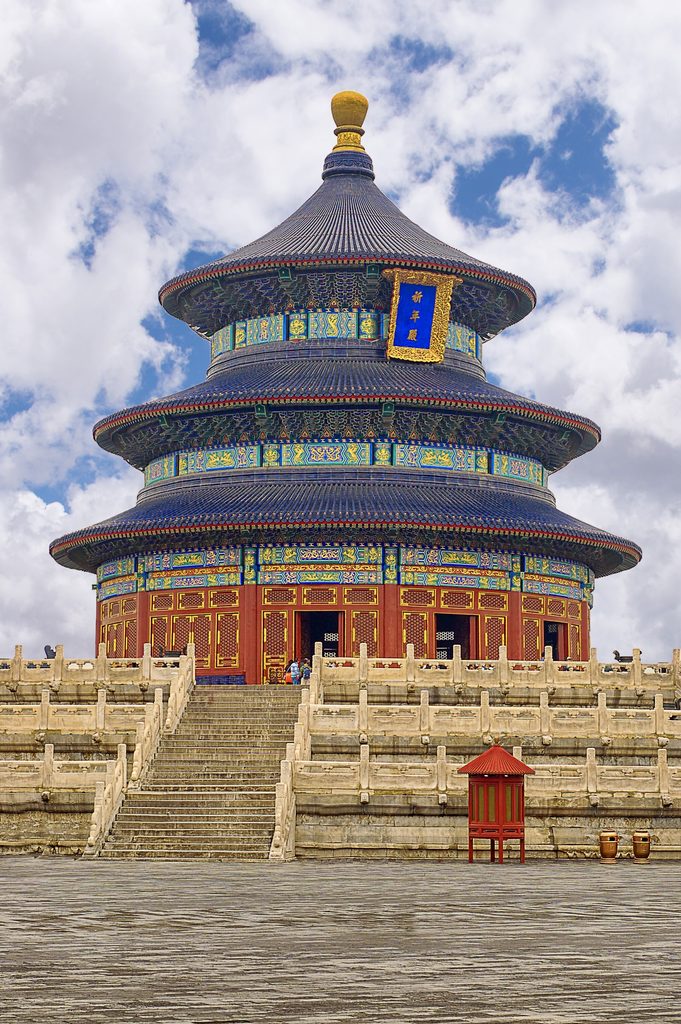
- Morning at the Temple of Heaven: Arrive early and watch Beijingers practise tai chi, play cards, sing and dance in the park. Then walk the Hall of Prayer for Good Harvests and the Echo Wall.
- Lunch: Zhajiangmian (hand-pulled noodles with fermented soybean sauce) or a plate of dumplings from a local spot.
- Afternoon at the Summer Palace: The Qing dynasty’s imperial garden on Kunming Lake. Walk the Long Corridor and climb Longevity Hill. Allow three hours, and take the boat across the lake at the end of the day.
- Evening: Take in the 798 Art District for galleries and cafés, or the Olympic Green, where the Bird’s Nest and Water Cube light up at night.
Day 5: Lama Temple, Markets and a Slow Goodbye
- Morning: The Lama Temple (Yonghe Temple), a working Tibetan Buddhist monastery wrapped in incense smoke. Walk next door through Guozijian Street and the Confucius Temple for a quieter contrast.
- Shopping: Panjiayuan Antique Market on the weekend for ceramics, calligraphy, jade and curios. Bargain with a smile and start at about a third of the first price.
- Last meal: A final bowl of noodles or dumplings, or a repeat of whichever dish stole your heart.
- Departure: Leave at least three hours before an international flight. Airport security and passport control can be slow.
What to Eat in Beijing
Peking duck
Roast duck with crackling skin, carved in front of you and served with thin pancakes, scallions, cucumber, and sweet bean sauce. The classic move is to dip the skin in sugar first. Famous names include Quanjude (the old institution), Da Dong (a modern, leaner take) and Siji Minfu. Book ahead on Dianping App or through your hotel, since the best places fill up. Many places also offer a half duck for solo diners.
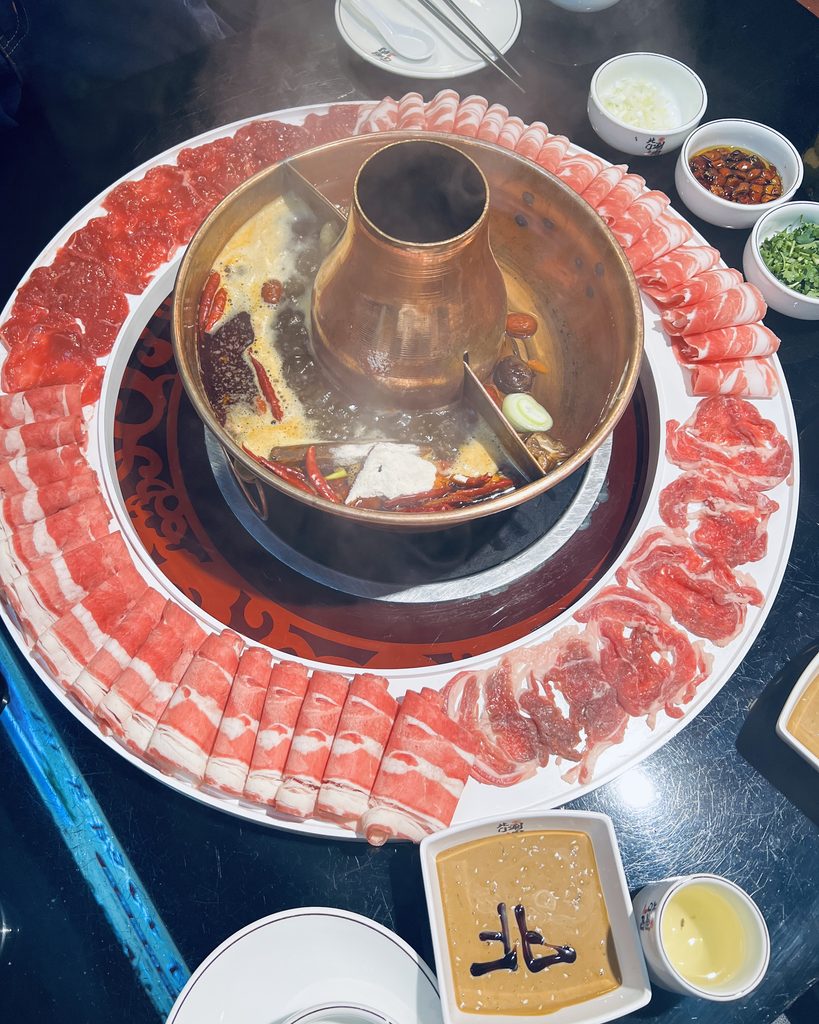
Beijing hot pot
Old Beijing hot pot is a copper pot with a chimney in the middle, a clear, lightly seasoned broth, and thinly sliced mutton that you swish in boiling water for seconds, then dip in a thick sesame sauce. It’s very different from fiery Sichuan hot pot. Look for restaurants such as Donglaishun for the traditional style. If you want the spicy modern version, Haidilao is a popular chain with English menus and famously attentive service. Order the sesame sauce, sliced mutton, tofu, and cabbage.
Other things to try
- Jianbing: a street-side savoury crepe with egg, crispy cracker and sauce, the classic breakfast.
- Zhajiangmian: noodles topped with a salty fermented soybean paste and fresh vegetables.
- Jiaozi (dumplings): boiled or pan-fried, with fillings of pork and chive, lamb, or vegetables.
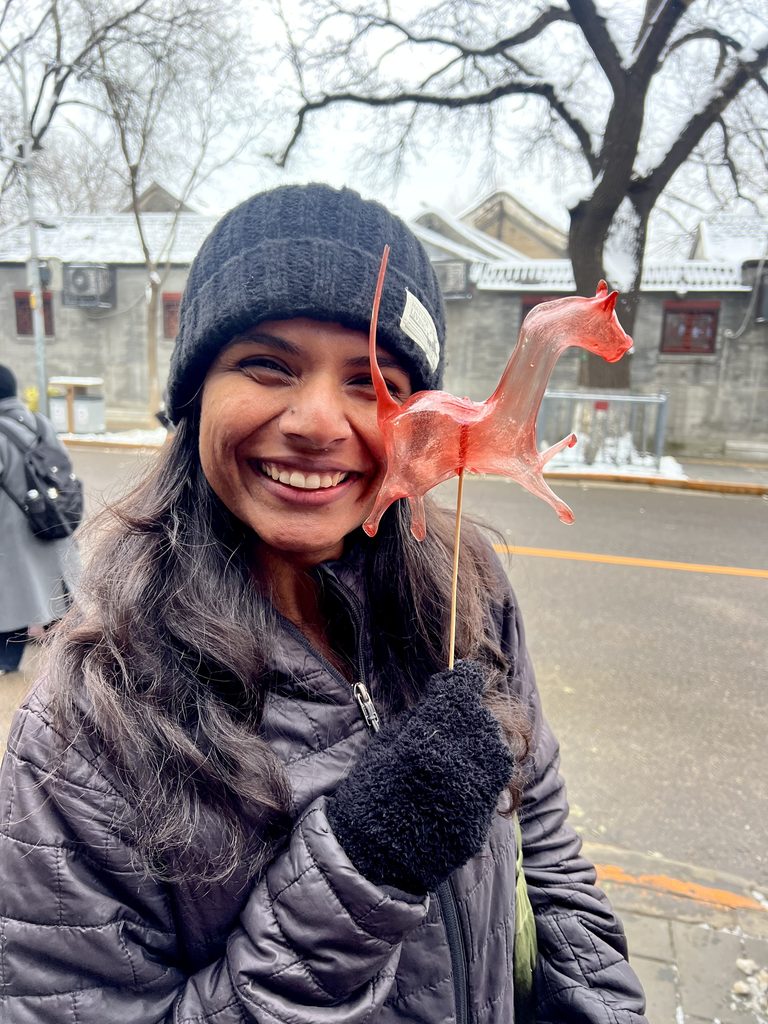
- Tanghulu: candied hawthorn berries on a stick, especially popular in winter.
- Lamb skewers (yangrouchuan): found at night stalls, seasoned with cumin and chilli.
- Douzhi: a fermented mung bean drink. Locals love it, many travellers don’t, so try a sip first!
Vegetarian? Learn “wǒ chī sù” (I eat vegetarian) and show a written card, but know that broths and fillings often contain meat, so ask carefully.
Practical Tips
- Subway: Cheap, fast and clean, with English signs. Use Alipay’s transit code, or buy a card at the station. Expect bag screening at every entrance.
- Tickets: Book major attractions a few days ahead, bring your passport, and expect to scan it at the gate.
- Water: Don’t drink tap water. Boil it or buy bottled, and use hot water stations in hotels.
- Tipping: Not expected in restaurants or taxis.
- Bargaining: Common at markets, but not in shops with marked prices.
- Photography: Ask before photographing people, especially older residents. A smile and a gesture go a long way.
- Safety: Beijing is generally very safe for solo travellers, including at night. Watch for tea-house and “art student” scams around tourist sites, and use official taxis or Didi.
- Opening hours and prices: These change often. Confirm on official channels before you go.
Five Mandarin phrases that go a long way
| Phrase | Pinyin | Meaning |
| 你好 | Nǐ hǎo | Hello |
| 谢谢 | Xièxie | Thank you |
| 多少钱? | Duōshao qián? | How much? |
| 不要辣 | Bú yào là | No spice, please |
| 对不起 | Duìbuqǐ | Sorry / excuse me |